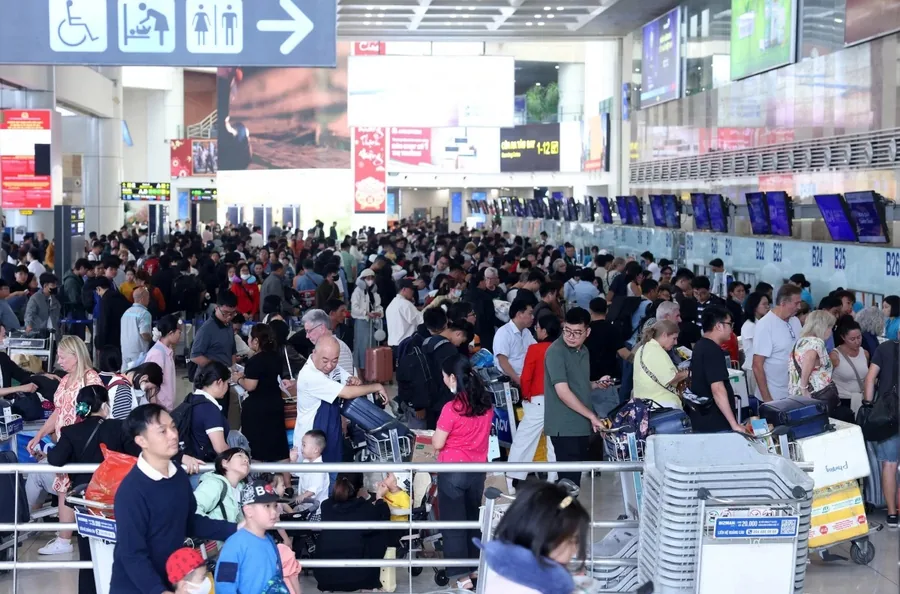
Understand the airport as a journey, a gateway and a regional transport system.
Chu Lai Airport occupies a very different strategic position from Da Nang International Airport. Rather than sitting inside the metropolitan core, Chu Lai serves the southern part of the enlarged Da Nang municipality and the industrial-logistics ecosystem around Nui Thanh and the Chu Lai Open Economic Zone. ACV's operating information describes the current airport as a code 4C facility capable of handling aircraft such as the Boeing 737 and Airbus A320/A321 family, with domestic services historically focused on Ha Noi and Ho Chi Minh City. The airport's future role is much more ambitious. Official Da Nang development material describes a planned code 4F international airport with approximately 10 million passengers per year by 2030 and approximately 30 million by 2050, together with a future international passenger terminal, air-cargo and logistics facilities, aircraft maintenance and overhaul activities, commercial services and airport-city development. A city investment list also describes a proposed new eastern runway of 3,048 metres by 45 metres, a parallel taxiway system, 32–40 aircraft parking positions and a passenger terminal sized for 10 million passengers annually. These are planning and investment targets rather than current operating facilities, so the dashboard distinguishes present-day operations from future capacity.
Key things to understand
- Chu Lai is the second aviation gateway of the enlarged Da Nang municipality, complementing the more urban and tourism-oriented Da Nang International Airport.
- The current operating airport is materially smaller than the future airport described in current planning documents; do not confuse present facilities with planned 4F infrastructure.
- Its strategic advantage is proximity to the Chu Lai Open Economic Zone, manufacturing clusters, logistics facilities and the southern industrial corridor.
- Official 2026 planning direction targets about 10 million passengers per year by 2030 and about 30 million by 2050.
- The future concept extends beyond passenger aviation to air cargo, logistics, aircraft maintenance and overhaul, commercial services and airport-city development.
- Current passenger services are domestic; airline routes and frequencies should always be checked from live airline and airport information.
- A proposed new eastern runway, new taxiway system, expanded apron and large passenger terminal are investment targets, not existing operating assets.
- Chu Lai's value should be assessed together with Chu Lai Port, Ky Ha, road corridors and the wider industrial economy rather than as a standalone passenger airport.
- For visitors, Chu Lai is most relevant to southern destinations and industrial areas; Da Nang International Airport remains the stronger gateway for the central urban core.
- Future airport expansion is strongly time-sensitive and should be represented by implementation status rather than by planning approval alone.