Place guide

One Pillar Pagoda

One Pillar Pagoda is the popular name for the lotus-shaped pavilion within the historic Dien Huu Buddhist complex in Ba Dinh. Its origin is traditionally dated to 1049 under Ly Thai Tong, while the structure visible today reflects later destruction, rebuilding and conservation rather than an untouched eleventh-century survival.

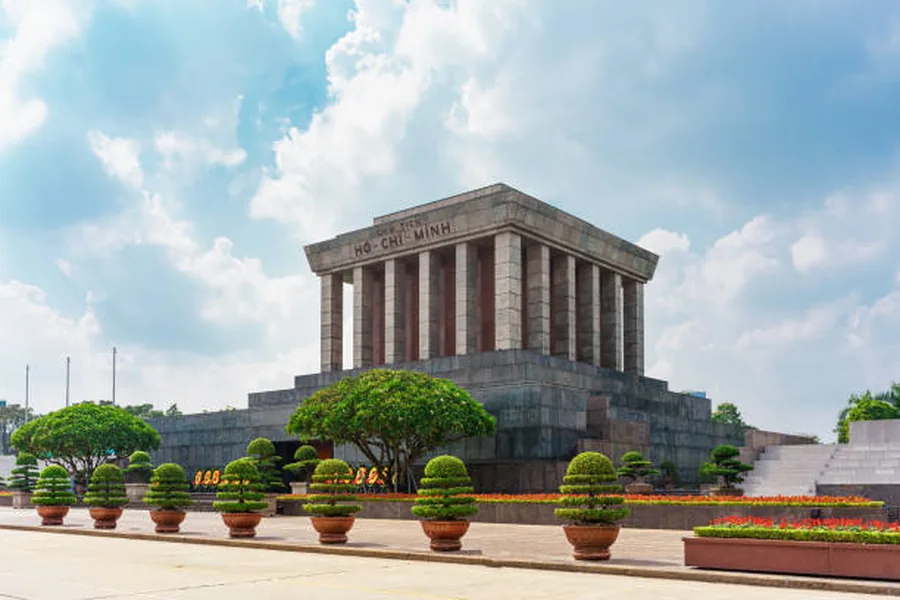
Ba Dinh, beside the Ho Chi Minh memorial area
Overview

Understand the place through its setting, meaning and everyday use.

The monument's power lies in a compact architectural idea: a small wooden sanctuary raised on a central support above a pond, evoking a lotus rising from water. Official Ha Noi material identifies the site with Dien Huu Pagoda and Lien Hoa Dai and places its foundation in the Ly period. Visitors should distinguish the ancient foundation and architectural concept from the present fabric, which has undergone repeated rebuilding. The site sits beside the Ho Chi Minh memorial area, making it easy to combine with Ba Dinh Square while retaining its independent Buddhist identity.

Key things to understand

  • Read the pavilion as a lotus-inspired architectural symbol.
  • Distinguish the ancient foundation from later rebuilding and conservation.
  • Observe the relationship between the compact shrine, pond and surrounding Dien Huu religious space.
  • Combine it with Ba Dinh Square while keeping the pagoda's Buddhist identity separate.
  • Visit respectfully because worship continues alongside sightseeing.
Place perspective

How to understand this place

Why it matters

One Pillar Pagoda condenses Ly-dynasty memory, Buddhist symbolism and Ha Noi's architectural identity into an exceptionally compact landmark.

What makes it distinctive

Its lotus-like pavilion above water is immediately legible yet historically layered.

What visitors often miss

The famous pavilion belongs to the wider Dien Huu religious context and the present fabric is the product of a long history of rebuilding.

One Pillar Pagoda is Ha Noi's iconic lotus-shaped Buddhist pavilion, rooted in an eleventh-century Ly-dynasty foundation.
Place identity

Understand its role, setting and meaning

Identity
Place Type
Historic Buddhist monument and active sacred site
Historic Role
Ly-dynasty religious foundation associated with the imperial capital
Architectural Role
A highly recognizable lotus-inspired pavilion form
Core Experience
Understand how a very small structure became a durable symbol of Ha Noi through form, religious meaning and historical memory
Heritage meaning
Foundation
Official Ha Noi material identifies the foundation with Ly Thai Tong in 1049.
Continuity Rule
The current monument should not be described as wholly original eleventh-century fabric.
Religious Meaning
The lotus form belongs to Buddhist symbolic language and the pavilion remains part of a religious setting.
Landmark system

Read the key elements as one connected place

01

Central support and elevated sanctuary

Defining structural image

The elevated pavilion creates the visual impression of a lotus emerging above water.

02

Pond

Symbolic and spatial setting

Water completes the lotus metaphor and separates the shrine visually from ordinary ground.

Plan your visit

Everything you need before you go

Location
City
Ha Noi Municipality
Visitor information
Opening Hours
Verify current access locally; adjacent memorial sites operate separate schedules
Admission
Verify current arrangements for the visit date
Recommended Duration
20–45 minutes
Dress Code
Respectful clothing and behavior are appropriate at a Buddhist religious site
Local guidance

Useful visitor tips

Separate the sites

One Pillar Pagoda is adjacent to, but canonically distinct from, the Ho Chi Minh memorial complex.

Read the layers

Treat the 1049 foundation, later rebuilding and current fabric as different historical layers.

Interpretation

Common mistakes when understanding this place

01

Do not imply every visible component survives unchanged from 1049.

02

Do not reduce the site to a photo prop; it remains a Buddhist sacred place.

03

Do not merge One Pillar Pagoda with the Ho Chi Minh memorial complex simply because they are adjacent.

Timeline

How the place reached its present form

1049

Ly-dynasty foundation

Official Ha Noi material traditionally dates the foundation of the Dien Huu / One Pillar Pagoda complex to the reign of Ly Thai Tong.

20th century

Destruction and rebuilding

The monument's modern history includes destruction and reconstruction, so current fabric should not be presented as entirely original Ly-period material.

Contemporary Ha Noi

Religious and visitor landmark

The pagoda remains a major sacred and architectural landmark beside the Ba Dinh memorial district.

Glossary

Useful place and heritage terms

Dien Huu
The historic Buddhist complex associated with One Pillar Pagoda; the name conveys enduring blessing.
Lien Hoa Dai
The lotus pavilion name associated with the iconic elevated sanctuary.
Connections

Continue through related places and experiences

Questions

Frequently asked questions

When was One Pillar Pagoda founded?

Official Ha Noi material traditionally dates its foundation to 1049 under Ly Thai Tong.

Is the visible structure entirely from the Ly dynasty?

No. The monument has undergone destruction, rebuilding and conservation, so the ancient foundation should not be confused with wholly original surviving fabric.

Sources

Primary references

Ha Noi Department of Culture and SportsHa Noi – Capital of Vietnam
Source ↗
Ha Noi Department of Culture and SportsHa Noi today – historic temples and pagodas
Source ↗
Ha Noi Culture and Library catalogueOne Pillar Pagoda: waiting for restoration
Source ↗