Market guide

Hang Be Market

Hang Be Market is a compact street-based food-trading area around Gia Ngu and neighbouring Old Quarter lanes, known for ready-cooked dishes and food prepared for family offerings and Tet meals.

Overview

Understand the market as a working commercial and social system.

Hang Be is best understood as a cluster of working food vendors rather than a single enclosed market building. Its reputation rests on prepared dishes, household celebration food and the care associated with ceremonial meals, especially around the lunar New Year and other worship occasions.

Key things to understand

  • Ready-to-serve family and ceremonial foods are central to its identity, with seasonal demand before Tet and lunar observances.
  • A named market trading cluster, not the whole Hanoi Old Quarter or the separate weekend night market.
  • Gia Ngu, Cau Go and Trung Yen lanes connect this market to the densely inhabited Old Quarter and Hoan Kiem area.
  • Compare goods and ask before photographing traders.
  • A working food-shopping area; respect vendors and avoid blocking narrow lanes.
  • Market hours, prices and access can change; verify locally.
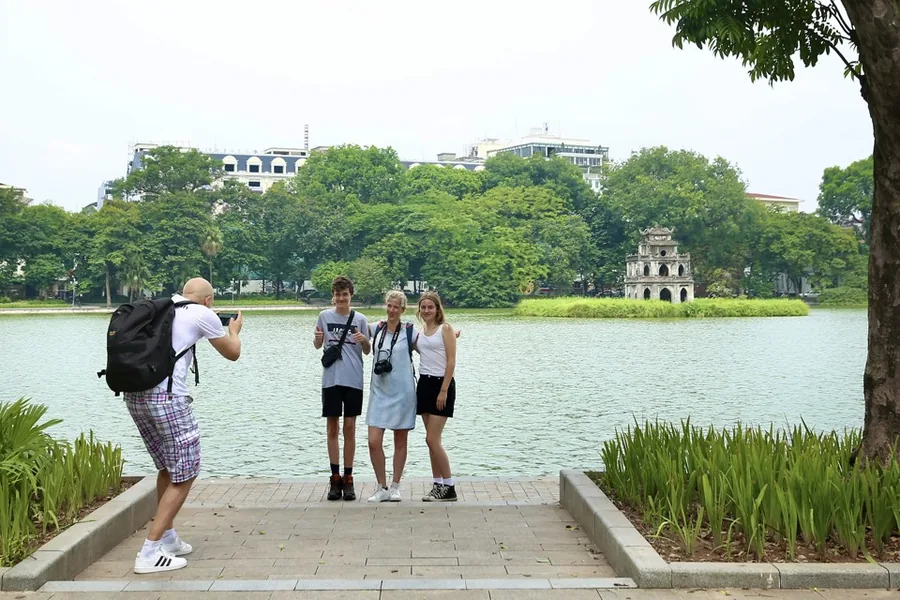
Market perspective

How to understand this market

Why it matters

Street-based prepared-food and fresh-food trade. Reporting describes Hang Be as a longstanding food-trading area that has spread across several Old Quarter lanes rather than remaining a single formal market hall.

What makes it distinctive

Ready-to-serve family and ceremonial foods are central to its identity, with seasonal demand before Tet and lunar observances.

What visitors often miss

A named market trading cluster, not the whole Hanoi Old Quarter or the separate weekend night market.

Hang Be Market is a compact street-based food-trading area around Gia Ngu and neighbouring Old Quarter lanes, known for ready-cooked dishes and food prepared for family offerings and Tet meals.

Market anatomy

Understand how trade is organized

Identity
Commercial Role
Street-based prepared-food and fresh-food trade
Urban Role
Gia Ngu, Cau Go and Trung Yen lanes connect this market to the densely inhabited Old Quarter and Hoan Kiem area.
Tourism Role
A working food-shopping area; respect vendors and avoid blocking narrow lanes.
Heritage Role
Reporting describes Hang Be as a longstanding food-trading area that has spread across several Old Quarter lanes rather than remaining a single formal market hall.
Social Role
The market connects traders, suppliers and regular customers through recurring daily or seasonal purchasing.
Core Insight
A named market trading cluster, not the whole Hanoi Old Quarter or the separate weekend night market.
Market Structure
Main Building
The physical arrangement is market-specific; do not assume an enclosed multi-storey hall.
Surrounding Alleys
Gia Ngu, Cau Go and Trung Yen lanes connect this market to the densely inhabited Old Quarter and Hoan Kiem area.
Street Network
Access and deliveries depend on surrounding streets; keep circulation routes clear.
Wholesale Logic
Street-based prepared-food and fresh-food trade
Visitor Lesson
Ready-to-serve family and ceremonial foods are central to its identity, with seasonal demand before Tet and lunar observances.
Wholesale Culture
Role
Street-based prepared-food and fresh-food trade
Behavior
Business buyers may purchase by bulk unit, bundle or order rather than by a tourist retail price.
Visitor Difference
Visitors should not assume that all working-market transactions are designed for casual browsing.
Pricing
Ask the vendor for the unit, total and whether the quoted price applies to retail quantities.
Best Use
Ready-to-serve family and ceremonial foods are central to its identity, with seasonal demand before Tet and lunar observances.
Caution
Food safety and storage depend on each vendor; keep prepared foods appropriately chilled or consume promptly.
Shopping

Know what is sold and how buying works

01

Boiled chicken and sticky rice for offerings

  • Boiled chicken and sticky rice for offerings
Typical buyer

Local household shoppers, festival-food buyers and visitors interested in Hanoi food traditions

02

Braised fish and cooked savoury dishes

  • Braised fish and cooked savoury dishes
Typical buyer

Local household shoppers, festival-food buyers and visitors interested in Hanoi food traditions

03

Fresh produce and ingredients for family meals

  • Fresh produce and ingredients for family meals
Typical buyer

Local household shoppers, festival-food buyers and visitors interested in Hanoi food traditions

Shopping strategy
Before Buying
Confirm product, quality, quantity and unit price.
Bargaining
Ask politely whether the price is negotiable; do not assume bargaining is universal.
Tone
Keep exchanges respectful and brief during busy periods.
Walk Away
Decline politely if the item or price does not suit you.
Fixed Price
Some traders use stated prices or existing customer arrangements.
Rule
Do not infer retail prices from historical reports.
Payments
Cash
Small-denomination Vietnamese dong is useful.
Digital
Acceptance varies by stall and should be confirmed.
Cards
Do not assume card payment is available.
Small Notes
Bring change for modest purchases.
Security
Keep phones and wallets secure.
Data Rule
Payment methods are time-sensitive.
Buyer types
Regular customer

Prepared food

Supplier-specific pricing and availability
First-time visitor

Ready-to-serve family and ceremonial foods are central to its identity, with seasonal demand before Tet and lunar observances.

Food safety and storage depend on each vendor; keep prepared foods appropriately chilled or consume promptly.
Specialist buyer

Ceremonial meals

Confirm specifications and units
When to go

The market changes character through the day

Working trade period

Morning trade and pre-holiday periods; individual vendors set their own schedules

Best for

Understanding the market’s core commercial function

Trade-off

Food safety and storage depend on each vendor; keep prepared foods appropriately chilled or consume promptly.

Less busy period

Trading and access conditions vary by day and season.

Best for

More considerate observation where permitted

Trade-off

Some specialist stalls may be closed or have less stock.

Market culture

Food, night trade and Old Quarter context

Food
Context
Prepared and ceremonial foods are central to this market.
Official Tourism Context
A named market trading cluster, not the whole Hanoi Old Quarter or the separate weekend night market.
Typical Experience
Prioritise vendors with clear prices and appropriate food handling.
Strategy
Check whether food is ready to eat, requires reheating or needs refrigeration.
Hygiene
Use normal food-safety judgement and avoid products with uncertain storage conditions.
Allergies
Ask about ingredients directly; recipes vary by vendor.
Night Market
Relationship
This is not the separate Old Quarter weekend night market.
Historic Operating Context
Morning trade and pre-holiday periods; individual vendors set their own schedules
Experience
Ready-to-serve family and ceremonial foods are central to its identity, with seasonal demand before Tet and lunar observances.
Products
  • Boiled chicken and sticky rice for offerings
  • Braised fish and cooked savoury dishes
  • Fresh produce and ingredients for family meals
Crowds
Season, deliveries and holidays change crowd patterns.
Data Rule
Do not promise fixed operating hours without live confirmation.
Heritage Context
Setting
Gia Ngu, Cau Go and Trung Yen lanes connect this market to the densely inhabited Old Quarter and Hoan Kiem area.
Guild Street Logic
Street-based prepared-food and fresh-food trade
Market Connection
A named market trading cluster, not the whole Hanoi Old Quarter or the separate weekend night market.
Heritage Value
Reporting describes Hang Be as a longstanding food-trading area that has spread across several Old Quarter lanes rather than remaining a single formal market hall.
Visitor Lesson
Ready-to-serve family and ceremonial foods are central to its identity, with seasonal demand before Tet and lunar observances.
Surrounding Context
Setting
Gia Ngu, Cau Go and Trung Yen lanes connect this market to the densely inhabited Old Quarter and Hoan Kiem area.
Suggested Combinations
  • old-quarter
  • hoan-kiem-lake
Place context

Commerce shapes and responds to its surroundings

Architecture
Role
A named market trading cluster, not the whole Hanoi Old Quarter or the separate weekend night market.
Experience
Gia Ngu, Cau Go and Trung Yen lanes connect this market to the densely inhabited Old Quarter and Hoan Kiem area.
Interior
Building configuration and public access require local verification.
Urban Reading
Ready-to-serve family and ceremonial foods are central to its identity, with seasonal demand before Tet and lunar observances.
Data Rule
Do not invent architectural dates or floor counts.
Urban Logistics
Delivery
Gia Ngu, Cau Go and Trung Yen lanes connect this market to the densely inhabited Old Quarter and Hoan Kiem area.
Wholesale Impact
Street-based prepared-food and fresh-food trade
Pedestrian Conflict
Food safety and storage depend on each vendor; keep prepared foods appropriately chilled or consume promptly.
Visitor Insight
Ready-to-serve family and ceremonial foods are central to its identity, with seasonal demand before Tet and lunar observances.
Planning Context
This is a functioning commercial space, not a staged attraction.
Creative Context
Context
Market trade is a living commercial practice, not a guaranteed festival or scheduled cultural performance.
Significance
Ready-to-serve family and ceremonial foods are central to its identity, with seasonal demand before Tet and lunar observances.
Visitor Rule
Do not advertise temporary programmes without official confirmation.
Market rhythm

Understand how the market changes across time and use

Operations
Commercial Function
Street-based prepared-food and fresh-food trade
Hours Rule
Vendor schedules and temporary restrictions require current confirmation.
Visitor Rule
A working food-shopping area; respect vendors and avoid blocking narrow lanes.
Visitor practice

Move, shop and photograph with confidence

Crowd Strategy
Peak
Morning trade and pre-holiday periods; individual vendors set their own schedules
Quiet Option
Visit outside peak buying periods if trading is still active.
Movement
Yield to porters, buyers and delivery vehicles.
Group Travel
Small groups are less disruptive.
Children
Busy working aisles may be unsuitable for young children.
Safety
Main Issues
Food safety and storage depend on each vendor; keep prepared foods appropriately chilled or consume promptly.
Valuables
Keep valuables close and avoid displaying expensive equipment.
Traffic
Treat vehicle routes as active working infrastructure.
Bags
Keep bags close to avoid obstructing traders.
Emergency
Use local emergency services when necessary.
Rule
Visitor access and safety conditions can change without notice.
Photography
Subjects
Ready-to-serve family and ceremonial foods are central to its identity, with seasonal demand before Tet and lunar observances.
People
Ask before filming food preparation or customers buying ritual offerings.
Aisles
Never block market circulation.
Equipment
Avoid large tripods, lighting stands or intrusive equipment.
Night
Avoid flash where it distracts workers or drivers.
Ethics
People at work are not props; ask before close-up photography.
Accessibility
General
Verified step-free routes and accessible facilities are not available in the supplied sources.
Barriers
Food safety and storage depend on each vendor; keep prepared foods appropriately chilled or consume promptly.
Strategy
Check current conditions and accessible drop-off options before visiting.
Night Market
Night and pre-dawn operations may have limited assistance.
Editorial Rule
Do not claim wheelchair accessibility without venue confirmation.
Family Use
Fit
Consider only with close supervision and outside intense delivery periods.
Strengths
Ready-to-serve family and ceremonial foods are central to its identity, with seasonal demand before Tet and lunar observances.
Challenges
Food safety and storage depend on each vendor; keep prepared foods appropriately chilled or consume promptly.
Strategy
Keep visits short and avoid working lanes.
Responsible visit

Support the market while respecting the people who use it

Local Business
Buy from traders without disrupting normal work.
Craft Claims
Do not assume products are locally made without seller evidence.
Packaging
Use reusable bags when practical.
Food Waste
Purchase quantities that can be consumed or stored safely.
Photography
Ask before filming food preparation or customers buying ritual offerings.
Heritage
Reporting describes Hang Be as a longstanding food-trading area that has spread across several Old Quarter lanes rather than remaining a single formal market hall.
Community
Respect local residents and established traders.
Routes

Build a visit around the market and its surroundings

01

Focused market observation

Allow approximately 30–60 minutes if access is appropriate
  1. Arrive at a safe public access point
  2. Observe the principal merchandise
  3. Identify the trading rhythm
  4. Leave without obstructing workers
Plan your visit

Location, access and practical market use

Location
Area
Gia Ngu Street, Hang Be Street and nearby lanes, Hoan Kiem, Hanoi
Google Maps Url
https://www.google.com/maps/search/?api=1&query=Hang+Be+Market+Hanoi
Visitor information
Admission
No verified general admission ticket; vendor and parking charges, if any, are separate.
Typical Duration
30–60 minutes for a focused visit, depending on access and activity.
Best Visit Style
A working food-shopping area; respect vendors and avoid blocking narrow lanes.
Operating Hours
Check current hours; do not rely on fixed schedules.
Getting there

Taxi / ride-hailing

Use a drop-off point that does not block market deliveries; confirm the destination with the driver.

Walking

Approach only via public pedestrian access; watch for deliveries and vehicles.

Best time

Core trading period

Morning trade and pre-holiday periods; individual vendors set their own schedules

Food safety and storage depend on each vendor; keep prepared foods appropriately chilled or consume promptly.

Seasonal peak

Check Tet and holiday arrangements before travel.

Availability and congestion may differ sharply from ordinary days.
Facilities
Parking
Verify current arrangements locally
Accessible facilities
Not verified
Payments
Confirm with individual traders
Useful tips
  • Food safety and storage depend on each vendor; keep prepared foods appropriately chilled or consume promptly.
  • Ask before filming food preparation or customers buying ritual offerings.
  • Ask prices and quantities before purchase.
  • Do not block unloading or customer circulation.
  • Check current conditions before travelling.
Visitor fit

Who gets the most from this market

Commerce and food-culture enthusiastStrong

Ready-to-serve family and ceremonial foods are central to its identity, with seasonal demand before Tet and lunar observances.

Casual sightseeing visitorConditional

A working food-shopping area; respect vendors and avoid blocking narrow lanes.

Families with small childrenLimited at busy times

Food safety and storage depend on each vendor; keep prepared foods appropriately chilled or consume promptly.

Interpretation

Common mistakes when reading the market

Do not assume

  • A named market trading cluster, not the whole Hanoi Old Quarter or the separate weekend night market.
  • A market is not necessarily a tourist-oriented retail attraction.
  • Trading hours and merchandise vary by seller and season.
Timeline

How the market reached its present character

Historical context

Market identity develops

Reporting describes Hang Be as a longstanding food-trading area that has spread across several Old Quarter lanes rather than remaining a single formal market hall.

2025–2026 reporting

Contemporary market activity documented

Street-based prepared-food and fresh-food trade; individual trading hours and services require current confirmation.

Glossary

Useful market terms and local context

Chợ
Vietnamese word for market.
Chợ đầu mối
A wholesale market where goods are aggregated and redistributed to other traders.
Hàng hóa
Goods or merchandise offered for trade.
Tết
Vietnamese Lunar New Year, a major seasonal buying period for many markets.
Connections

Continue exploring

Questions

Frequently asked questions

What makes Hang Be Market distinctive?

Ready-to-serve family and ceremonial foods are central to its identity, with seasonal demand before Tet and lunar observances.

Where is the market?

Gia Ngu Street, Hang Be Street and nearby lanes, Hoan Kiem, Hanoi.

What is sold here?

Boiled chicken and sticky rice for offerings; Braised fish and cooked savoury dishes; Fresh produce and ingredients for family meals.

When should I visit?

Morning trade and pre-holiday periods; individual vendors set their own schedules. Check current local trading and access conditions.

Is this the Old Quarter weekend night market?

A named market trading cluster, not the whole Hanoi Old Quarter or the separate weekend night market.

Can I take photographs?

Ask before filming food preparation or customers buying ritual offerings.

Is the market suitable for children?

Food safety and storage depend on each vendor; keep prepared foods appropriately chilled or consume promptly.

How should I pay?

Confirm payment options and the unit price directly with each vendor.

Sources

Primary references

Vietnam TelevisionChợ nhà giàu ở Hà Nội nhộn nhịp trước Rằm tháng Giêng
Source ↗
Dan Tri29 Tết: Chi tiền triệu mua gà lễ tại chợ nhà giàu ở Hà Nội
Source ↗
Dan TriNhững món ngon đắt khách nhất chợ nhà giàu ở Hà Nội ngày Tết
Source ↗